Rene-Marcel Lehner
- Computational Physics
- Research Visualization
- AI
My passion is to build mathematical and physical models and to apply them to real-world problems.
Along the way, I love creating interactive scientific visualizations, applications, and websites.
After my M.Sc. in theoretical physics, I now focus on machine learning, neural network architectures, and tensor networks.
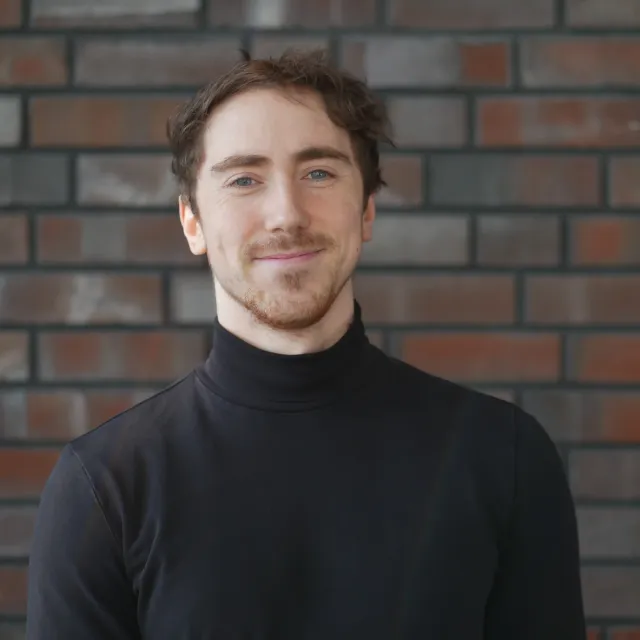
Bottom: the photo’s Fourier transform. Each point is a wave pattern, coarse at the centre, finer outwards, and brighter the more the photo contains it. Top: the photo rebuilt from those waves. Paint on the bottom to remove waves: without the centre, only outlines remain. JPEG compression rests on the same idea.
- M.Sc. Physics
- Python
- PyTorch
- Rust
- TypeScript
Projects
- Robotics
- Machine learning
- Theory
Strongest Research Artifact
Blaze2D
Software that computes how light travels through photonic crystals.
Master Thesis
Envelope Approximation for Photonic Moiré Crystals
A theory for light in twisted photonic crystals.
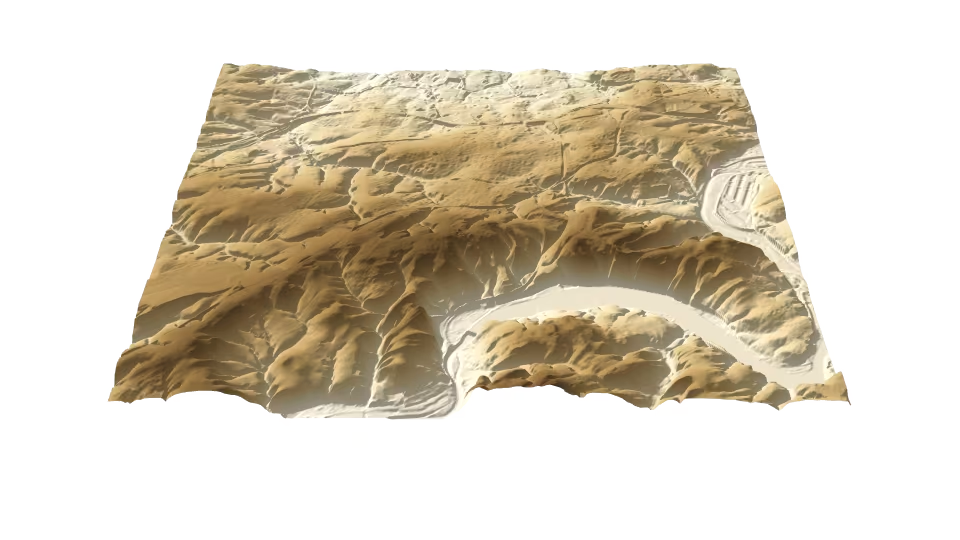
GeoNeural
Compressing landscapes with neural terrain coders, and using geophysics to help reduce their errors.
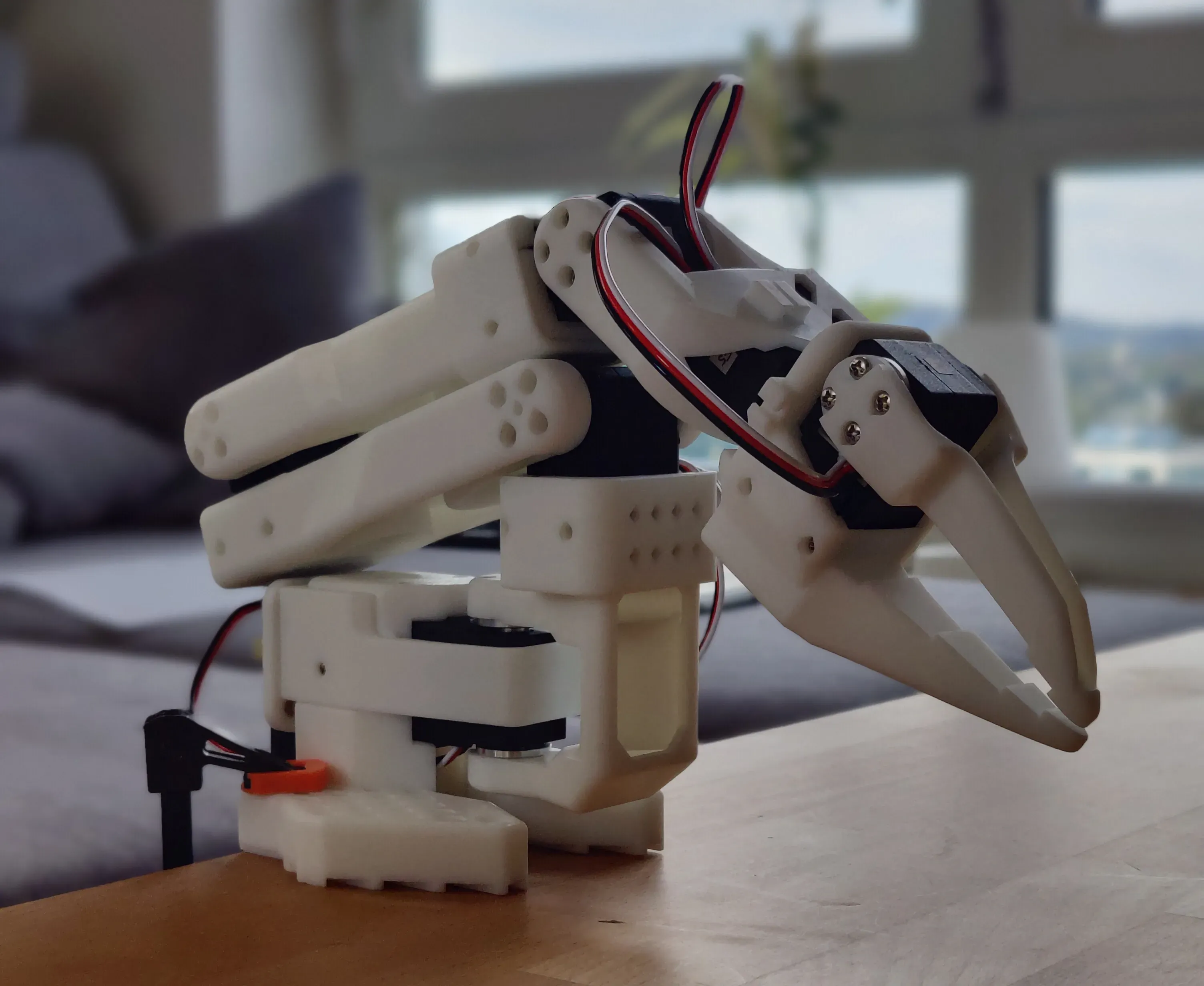
Recover in Real Time
Two robot arms I assembled for a study on recovering from mistakes and delays; so far only human-controlled.
Residual Worlds
A neural network learns to fix a physics model’s errors, tested by steering a simulated robot arm.
Facial Emotion Recognition
Computer vision: seven network types learn to read emotions from faces, then get tuned, trained longer and compressed.
Grounded Recovery (the project’s own website, opens in a new tab)
Imitation learning: are a limited number of expert labels better spent on more examples, or on corrections after mistakes?
Team Project
Hard Sphere Simulations
A team study of hard spheres: a faster collision search and sedimentation under gravity.
Bachelor Thesis
Neural Swarm Dynamics
An attempt to form swarms with multi-agent reinforcement learning, and a neural-network-friendly Monte Carlo rule.